
Tankless Water Heater Installation: Is It Worth It
for Your Home?
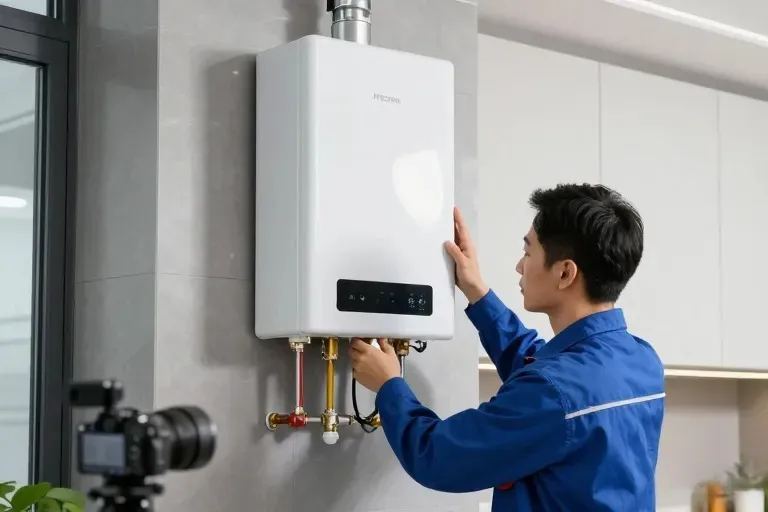
Tankless water heater installation is a new upgrade that every homeowner should achieve in 2026. These new models are compact and energy saving. Unlike traditional models which cover more spaces and heat water continuously. Another benefit of Tankless water heaters is it heats water on demand and saves you from higher energy bills.
However despite all the benefits, one thing that you shouldn’t overlook is who is taking charge of tankless water heater installation. Installation should follow the safety standards and specialized equipment. The good part is at Prime Root, we excel in each field. Read this blog to understand how professional tankless installation made all the difference.
What a Tankless Water Heater Is and How It Works
Tankless water heater systems are modern, compact and wall mounted systems. They heat water instantly the moment you turn on the faucet. As these systems don’t store water that’s why it automatically decreases the standby heat loss and also reduces energy consumption about 30%.
On-Demand water heating process
When you turn on the tap;
- Cold water enters the unit
- Heating system activate
- Heat exchanger heats the water
- Hot water flows out instantly
Types of Tankless Water Heater Systems
Tankless water heater heats water on demand instead of storing 30 gallons of water. Its types depend on how you consume water such as family members using hot water or No.of faucets. Examine the following types to know which suit your needs.
Gas-powered tankless water heaters
These systems have a powerful burner that ignites heat through the use of propane and natural gas.
Pros: They work ideal for larger families because they can deliver an ample amount of hot water at once.
Cons: This system requires proper venting and it can cost you higher upfront costs.
Electric tankless water heaters
These systems are highly compact and wall mounted. One of their major features is that they heat water instantly using less energy.
Pros:They are an ideal option for small to Medium households. Since they are small units that’s why no venting is required and are easier to install.
Cons: They might be insufficient for multiple faucets at once. They often require high electric power while operating.
Benefits of Tankless Water Heater Installation
Let’s make an overview why in 2026 it has become so beneficial to install tankless units.
Continuous hot water supply
As these units provide water on demand that’s why they never run out of water unlike traditional tanks that can finish supply at any time and take time to reheat the unit.
Reduced energy consumption
Giving you water when you need it automatically cuts down the energy consumption. While in traditional systems water is stored and requires more energy for continuous reheating.
Space-saving installation design
The big convenience is they are small and compact designs and can easily be fixed on walls, almost covering no space. On the other hand, traditional units are bulky and occupy more space.
Longer equipment lifespan
These units generally last for a long time with proper maintenance as compared to traditional ones.
Limitations You Should Consider Before Installing
Tankless units are often a better option in most cases but there are some limitations. Read them so you never get surprised with something that may not suit your budget or households.
Hot water flow limits during peak usage
These units can struggle during multiple showers or multiple taps running at once. They heat water as per your demands but have limited flow rate.
Higher upfront installation cost
Upgraded systems are always more costly than the older ones. You might face higher upfront costs.
Power and fuel supply requirements
These systems need more electrical capacity or proper gas lines. Your home existing wiring would be insufficient. So, installation requires additional upgrades to the electric and gas supply systems.
How Tankless Water Heater Installation Works At Primroot Plumbing
We arrive with proper tools to analyze your existing system and perform upgrades with care to minimize any damage to your property. I saw many Kansas homeowners who complained “technicians have made unnecessary damage to the walls or installation does not complete properly”. In our case the whole process is designed for your convenience.
What we actually do? Have a look please!
- First, we examine the existing system and size requirements
- Then carefully remove the old unit
- Make sure to upgrade plumbing,gas or electric lines if they are needed
- After making necessary upgrades, fix the new unit
- At last, before leaving we perform a safety and functionality test.
If you are searching for tankless water heater installers near me, our process is designed to ensure safe and professional results.You can also learn more about our local services here: tankless water heater installation kansas city
When to Replace Your Existing Water Heater
Even if you don’t want to upgrade your home with new units, there are some circumstances where replacing your water heater becomes so necessary:
- System is very old and near the end of its lifespan
- Many breakdowns and expensive repairs
- Outdated or leaky Water Heater Unit
- No uniform hot water supply or any serious performance problems.
- Rust or corrosion that is significant within the system.
In these situations don’t think about higher costs because here installing a tankless water heater isn’t an option.
Frequently Asked Questions
How long does tankless installation take?
Standard installation time is a few hours to a full day. But a significant part is it all depends on your electric or gas setup where modifications are needed.
Are tankless systems worth it?
Absolutely Yes! They are smaller units that cover small spaces, reduce energy loss and give instant heat water without delay or running out.
How often is tankless water heater maintenance required?
It is recommended that the tankless system should be serviced professionally once a year. Professional maintenance removes mineral buildup and adds more years to your unit.